Attic Insulation Services in Mission, TX
Professional
attic insulation helps homeowners in Mission, TX, reduce unwanted heat transfer, improve indoor comfort, and support more efficient heating and cooling. Mission Spray Foam Insulation provides attic solutions using fiberglass insulation, blown-in, and spray foam insulation materials based on the property's existing conditions, layout, and performance needs. Each project begins with an inspection to identify coverage deficiencies, air leakage, moisture concerns, and other conditions that may affect attic performance before an appropriate installation or replacement approach is selected.
Get a free quote
Services Available
Professional Attic Insulation in Mission, TX
Mission's hot, humid climate can place substantial demands on residential cooling systems, making effective insulation an important part of the building envelope. These services focus on reducing heat transfer between the attic and conditioned living areas while addressing areas where insufficient coverage or air leakage may affect comfort and energy use. Because the attic is usually one of the largest sources of heat gain, improving insulation in your attic can help support better comfort and energy and money savings throughout the year.
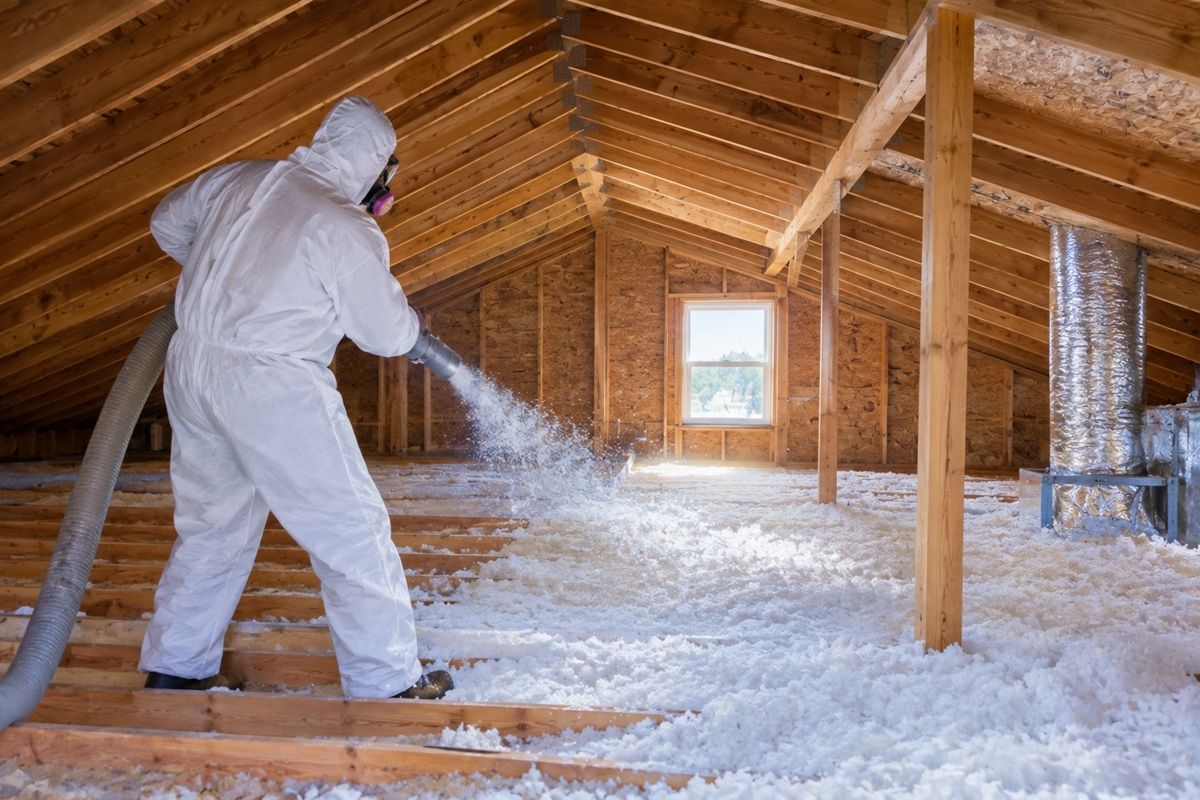
Available insulation types include fiberglass, blown-in insulation, loose fill insulation, and spray foam. The different types of insulation have different characteristics, and material selection depends on factors such as attic configuration, existing coverage, access, desired R-values, and air-sealing requirements. Fiberglass batt insulation, blanket insulation, cellulose, and mineral wool can each be appropriate for certain applications, while products from established manufacturers such as Owens Corning may be considered when they match the property's needs. When older material is damaged, compressed, contaminated, or no longer providing adequate thermal resistance per inch, replacement can improve the overall performance of the attic assembly. Understanding the r-value of insulation is important because the higher the r-value, the greater the material's resistance to heat transfer.
Stop Energy Loss
Attic Insulation Problems We Address
Attic insulation can lose effectiveness because of age, compression, disturbance, moisture exposure, inadequate installation, or insufficient coverage. Uneven temperatures between rooms may indicate areas where thermal protection or air sealing needs attention, while higher heating and cooling costs can be associated with heat loss and heat transfer through an underinsulated building envelope. Proper attic insulation helps maintain more consistent indoor conditions, and attic insulation can help keep unwanted outdoor heat from moving readily into conditioned living spaces. A professional assessment helps distinguish insulation concerns from other potential HVAC or building-envelope issues and determine whether more insulation is appropriate and how much attic insulation may be needed.
Moisture conditions also deserve careful attention in attic spaces. Poor ventilation, roof leaks, plumbing leaks, or excessive indoor humidity can contribute to damp materials and create conditions that may support mold growth or deterioration. Technicians inspect accessible areas for visible moisture concerns, gaps, drafts, and inconsistent coverage. Depending on the assembly, vapor movement and the need for a vapor barrier may also need consideration. Recommendations can then address thermal performance, air leakage, and attic ventilation work without assuming that poor insulation alone is responsible for every comfort or energy issue, including moisture and heat buildup in the attic. Addressing air leaks first is often recommended before installing insulation to maximize performance.
24/7
Service Available
For Inquiries:
Attic Condition Assessment
The installation process begins with a detailed inspection of the existing attic assembly. Technicians evaluate material depth and condition, accessible air leakage points, attic access, ventilation components, and other site conditions that may influence the project. This assessment helps determine the appropriate way to insulate the attic and select a suitable type of attic insulation for the property, including the material best suited to existing conditions and the attic floor or roof assembly. Technicians also examine accessible areas around each joist and rafter to identify gaps or other conditions that could affect insulation performance.
Insulation Preparation And Installation
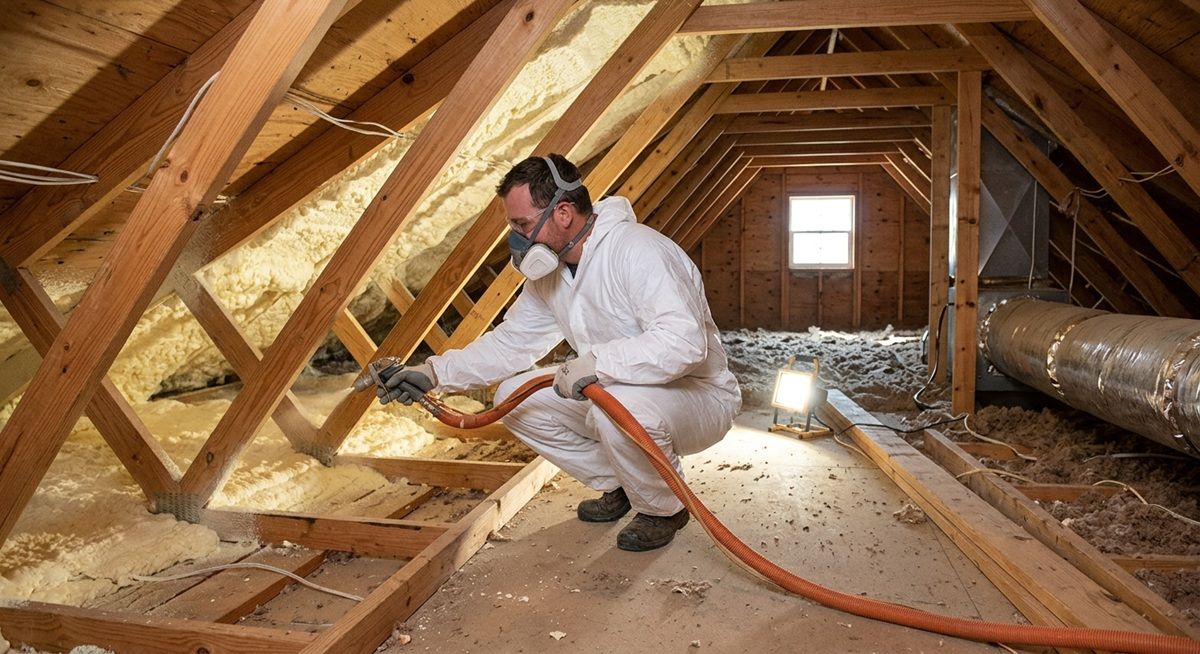
Depending on the attic's condition and project requirements, trained service professionals may install fiberglass, blown-in insulation, loose-fill cellulose, or spray foam. Preparation can include air sealing the attic at accessible leakage pathways and protecting areas that should remain clear for ventilation, electrical components, and other building systems. When air sealing and insulating are performed together, the work can address both conductive heat transfer and certain uncontrolled air movement pathways. A properly insulated attic should have consistent coverage appropriate to the assembly rather than relying on a single layer of insulation in every situation. Spray foam applications, including closed-cell products where appropriate, require specialized equipment, proper surface preparation, and attention to manufacturer application requirements to achieve appropriate adhesion and coverage. Professional installing insulation practices help ensure the recommended amount of insulation is distributed evenly throughout the space.
Final Review And Project Completion
After installation, the work area is reviewed for coverage, application consistency, and visible concerns. Professional practices also include following applicable safety procedures, product requirements, relevant energy conservation code standards, applicable building code requirements, and manufacturer guidance. As a local service provider in Mission, scheduling depends on project scope, material availability, site conditions, and technician availability. Homeowners considering a DIY approach should still get a professional evaluation when conditions such as moisture, ventilation concerns, or spray foam applications are involved.
Spray Foam Cost Guide
Attic Insulation Cost Factors
Several factors influence attic insulation costs, so an on-site assessment is more reliable than applying one price to every property. Material selection, attic size, required depth, accessibility, existing insulation, preparation, and air sealing can affect the total. Fiberglass batts and loose-fill insulation may have different material and labor requirements than spray foam, while foam pricing can vary by product type, application thickness, and surface conditions. The amount of insulation required and how much insulation is already present can also influence project costs.
If replacement is needed, removing deteriorated material, correcting ventilation, or working around difficult access and penetrations can add to labor requirements. During an inspection, technicians evaluate these conditions and the insulation R-values needed to develop a project-specific estimate. Homeowners can then better understand the recommended scope, insulation products, and installation requirements before beginning the work. Recommendations may also consider guidance commonly associated with Energy Star and Department of Energy resources regarding attic performance.
Trusted Insulation Experts
Why Choose Our Attic Insulation Team
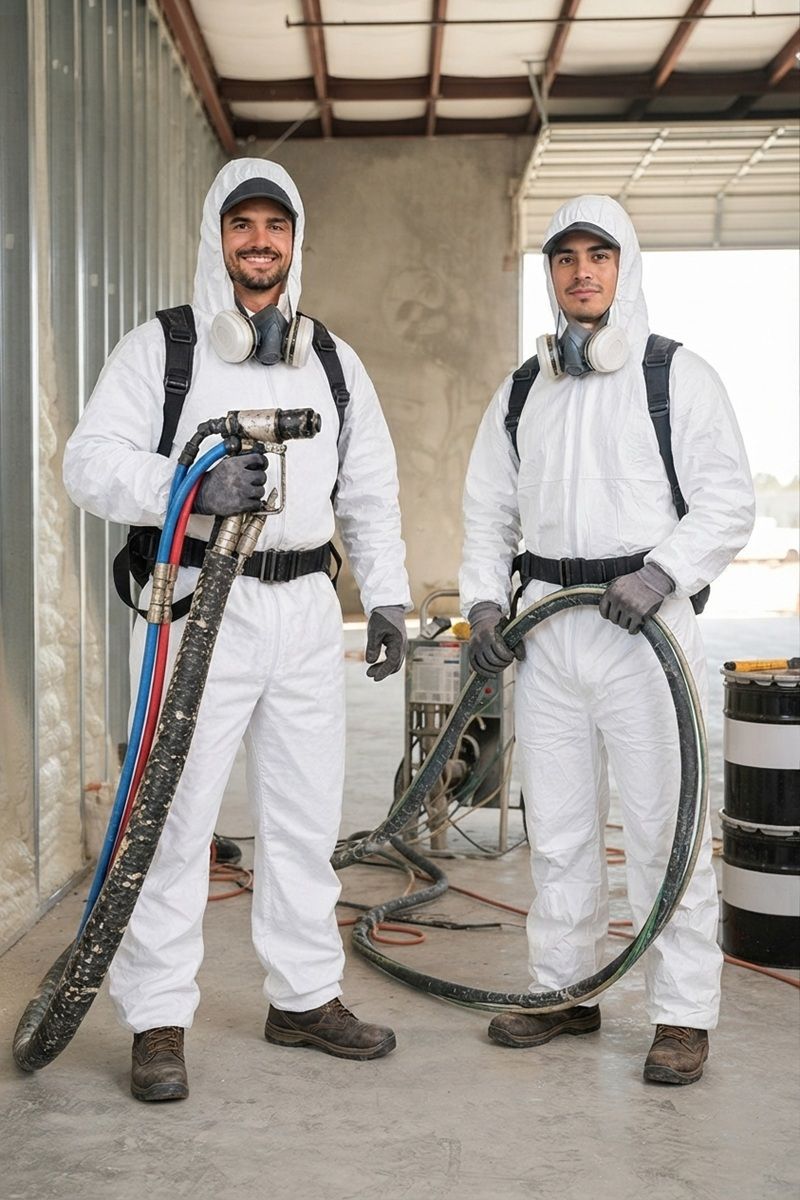
Quality attic insulation depends on more than simply adding material. Mission Spray Foam Insulation uses practical knowledge, trained installation techniques, and professional-grade equipment for fiberglass, blown-in, and spray foam projects. Our team considers material selection, coverage, air sealing, ventilation, existing conditions, and safe work practices because insulation helps keep conditioned air indoors, helps keep heat in the house during cooler weather, and keeps the air you paid to heat or cool inside the home where it belongs. The benefits of attic insulation often extend beyond comfort by helping reduce unnecessary energy use.
Experienced professionals evaluate each attic before recommending a solution, checking existing materials, building-envelope conditions, ventilation, access, and comfort objectives. A thorough inspection can also identify moisture concerns, damaged materials, or areas where soffit vents and other ventilation components need to remain clear. Clear recommendations and project-specific estimates help property owners make informed decisions, while timely scheduling and a defined home improvement plan support properties throughout Mission and nearby areas. Recommendations are based on the best insulation approach for the specific structure rather than a one-size-fits-all solution.
Trusted Insulation Experts
Recent Attic Insulation Projects in Mission, TX
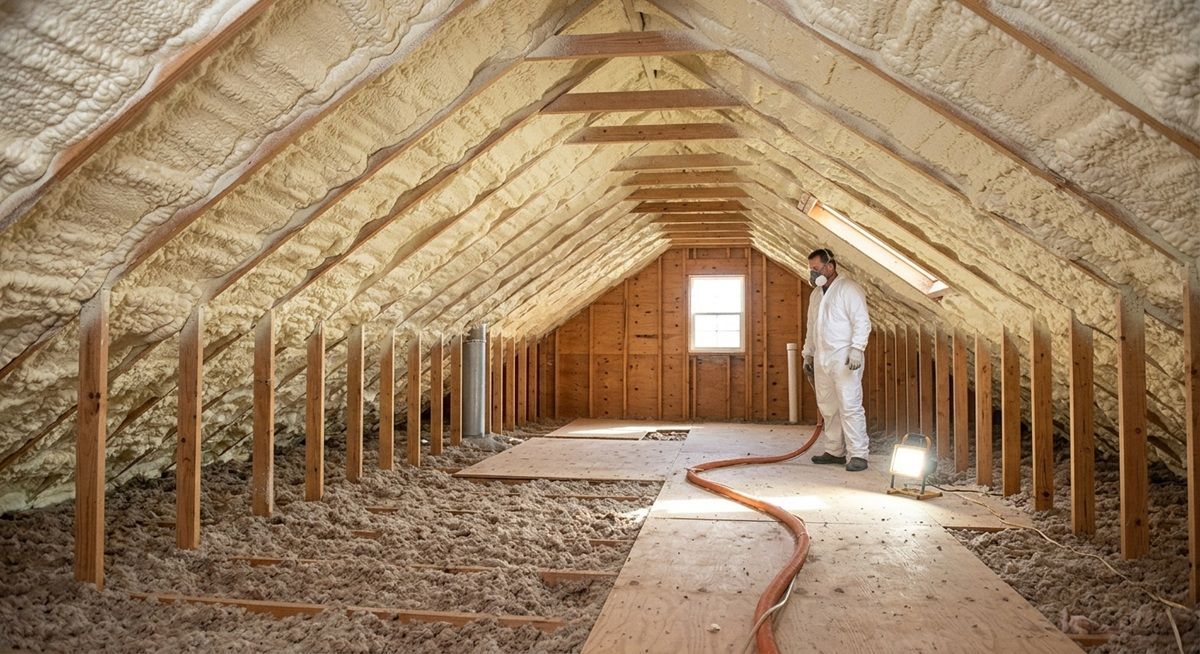
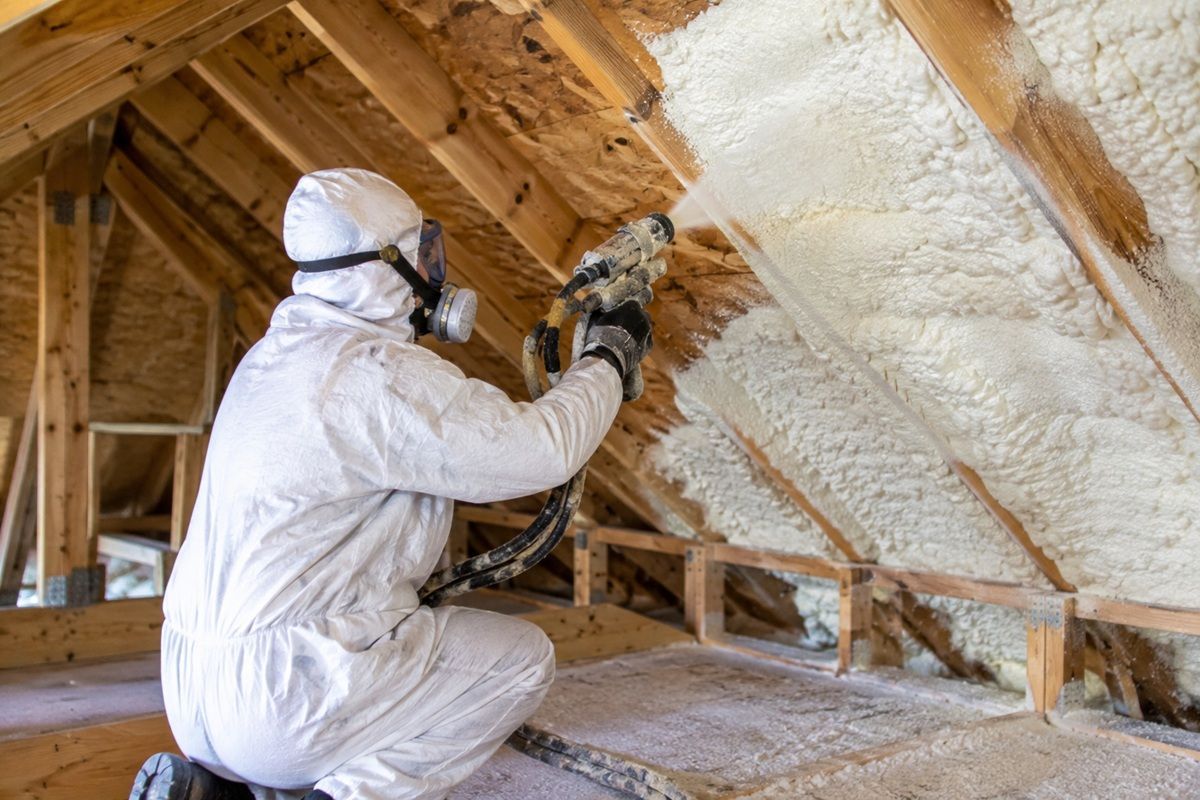
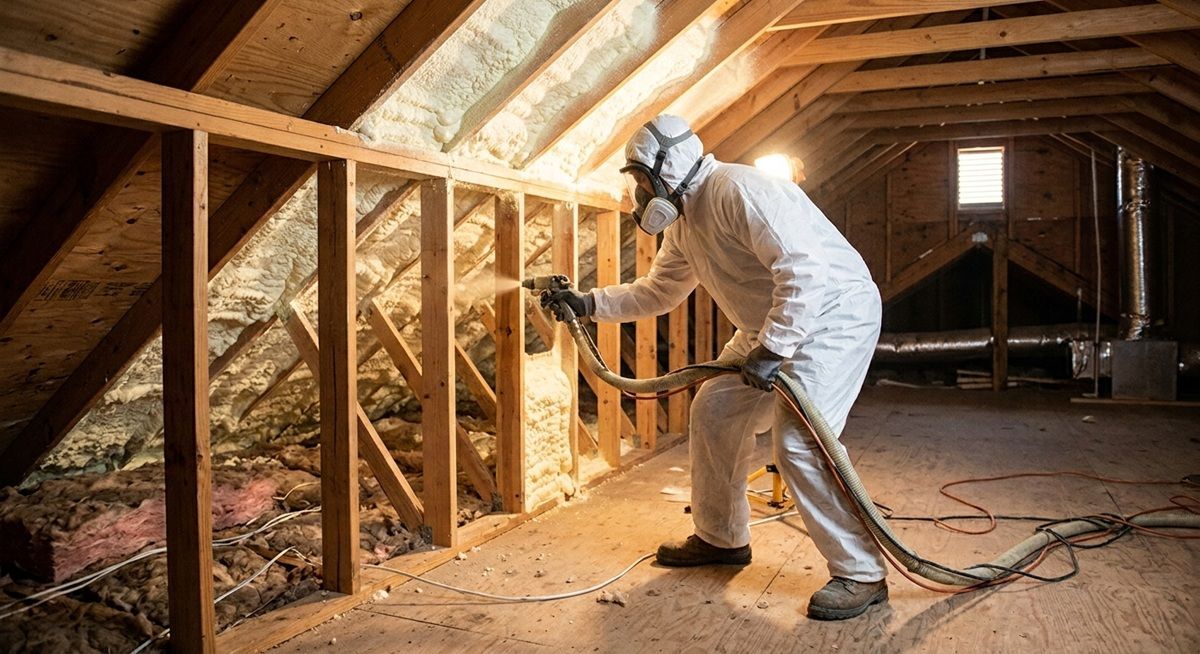
Every attic has different construction details and insulation needs. Recent projects may use spray foam, blown-in, or fiberglass materials depending on the existing assembly, condition, air-sealing needs, and desired R-value. Different insulation systems are selected according to the property's design, performance goals, and accessibility.
Proper insulation can reduce heat transfer and support more consistent indoor temperatures. Actual energy savings depend on existing coverage, air leakage, duct efficiency, home size, weather, and occupant behavior. Attic ventilation may also be evaluated when heat or moisture management is a concern, including the condition of soffit vents. In colder climates, proper insulation and ventilation can also help reduce conditions associated with ice dams and ice dams in the winter, although these issues are less common in Mission.
Projects across Mission follow a property-specific approach based on construction, accessibility, material condition, and local climate. Documenting existing conditions and completed work can support future maintenance and improvements while helping maintain the building envelope and support long-term energy conservation goals.
FAQs
Common Attic Insulation Questions in Mission, TX

Have More Questions About Spray Foam Insulation?
Get clear answers about spray foam insulation, installation, costs, and what to expect for your property.
How do I know if my attic needs more insulation?
Uneven room temperatures, drafts, visible gaps, compressed material, and higher-than-expected cooling demands can indicate inadequate thermal coverage. These issues can also result from air leaks, duct problems, ventilation, or HVAC performance. A professional attic assessment can check the level of insulation and condition, identify visible moisture or damage, and determine whether adding insulation to your attic, adding insulation to the attic, repairing, or replacing material is appropriate.
What factors affect the cost of attic insulation?
Project costs vary based on attic size, material type, required depth, existing coverage, accessibility, preparation, air sealing, and the condition of the space. Spray foam also has different material and installation requirements than fiberglass or blown-in products. A site assessment allows trained technicians to evaluate the work area and develop an estimate based on actual material, labor, and preparation needs.
Can attic insulation help with high indoor temperatures in Mission?
Yes. Proper insulation can help reduce heat transfer from a hot attic into the living space, which may help maintain a more consistent temperature throughout your home during Mission's hot weather. Spray foam can also provide air-sealing properties when properly installed. Because insulation is only one part of home performance, technicians should also consider air leakage, ductwork, ventilation, roof conditions, and HVAC performance when evaluating excessive attic heat.
How long does attic insulation installation take?
Installation time depends on attic size, material type, accessibility, preparation, and whether existing material must be removed. Some straightforward fiberglass or blown-in projects can be completed in a day, while spray foam, extensive air sealing, removal, or difficult access may require more time. A professional inspection helps establish a realistic schedule after the actual conditions have been evaluated.
Is spray foam insulation safe for my home?
When properly specified and installed, spray foam insulation can be used safely in residential applications. Professional installers use specialized equipment, follow manufacturer application requirements, and observe appropriate safety procedures during installation and curing. Homeowners should also receive guidance about access to the work area during installation. Existing building materials, ventilation, moisture conditions, and the intended application should be evaluated before foam is installed.
Do you provide attic insulation for homes and businesses in Mission?
Attic and building insulation can be installed in residential and qualifying commercial properties, with the recommended approach based on the structure and its specific conditions. Technicians consider the building assembly, existing materials, access, ventilation, and desired thermal and air-sealing performance. Using industry-standard equipment and established installation procedures helps ensure the selected system is appropriate for the property.
Should attic insulation be inspected before summer in Mission?
An attic inspection before the hottest part of the year can help identify insufficient coverage, air leakage, moisture concerns, or damaged materials before cooling demands increase. Mission's hot climate can place significant demands on a building's thermal envelope. A professional assessment can determine whether improvements or related air-sealing work may help address excessive attic heat and improve overall building performance.
Mission Spray Foam
Insulation
Schedule Your Attic Insulation Estimate
An attic insulation assessment can identify areas where insufficient coverage, air leakage, damaged material, or moisture-related conditions may be affecting comfort and building performance. Mission Spray Foam Insulation provides attic evaluations for properties in Mission, TX, with recommendations based on the existing assembly and the property's specific needs.
During the visit, technicians can inspect accessible materials, look for gaps and visible problem areas, evaluate relevant air-sealing conditions, and discuss fiberglass, blown-in, or spray foam options where appropriate. The goal is to provide a clear scope of work and explain how the recommended approach may affect thermal performance, comfort, and energy use. Guidance may include the benefits of attic insulation, material options, and recommendations for adding attic insulation where coverage is insufficient.
Homeowners in Mission can schedule an attic assessment to determine whether additional coverage, replacement, air sealing, or another building-envelope improvement is appropriate for the property.
Service Areas: Proudly serving Mission,
San Juan,
Palmhurst,
Palmview, and surrounding areas.