
San Juan TX Spray Foam Insulation – Hot-Climate Property Protection
Mission Spray Foam Insulation provides spray foam insulation for residential and commercial properties in San Juan, where hot South Texas conditions can place added demands on attics, walls, and other parts of the building envelope. Spray foam applications can address insulation and air-sealing needs in appropriate areas. Call
956-997-8736 to discuss your property.
Get a free quote
San Juan's Hot Climate Makes Attic Air Sealing Especially Important
San Juan properties experience the hot, humid conditions common across the Rio Grande Valley, making the attic an important area to evaluate for insulation and unwanted air movement. Heat entering through the building envelope can make it more difficult for conditioned spaces to remain comfortable during the warmer months.
Homes with gaps around framing, penetrations, ductwork, wiring, or other building components may have areas where conditioned and unconditioned air can move between spaces. Existing insulation can also vary considerably between older homes, remodeled properties, and newer construction.
For property owners in San Juan, spray foam insulation can provide insulation and air-sealing in suitable applications. The appropriate approach depends on the roof assembly, existing materials, ventilation, accessibility, moisture conditions, and the overall design of the property.
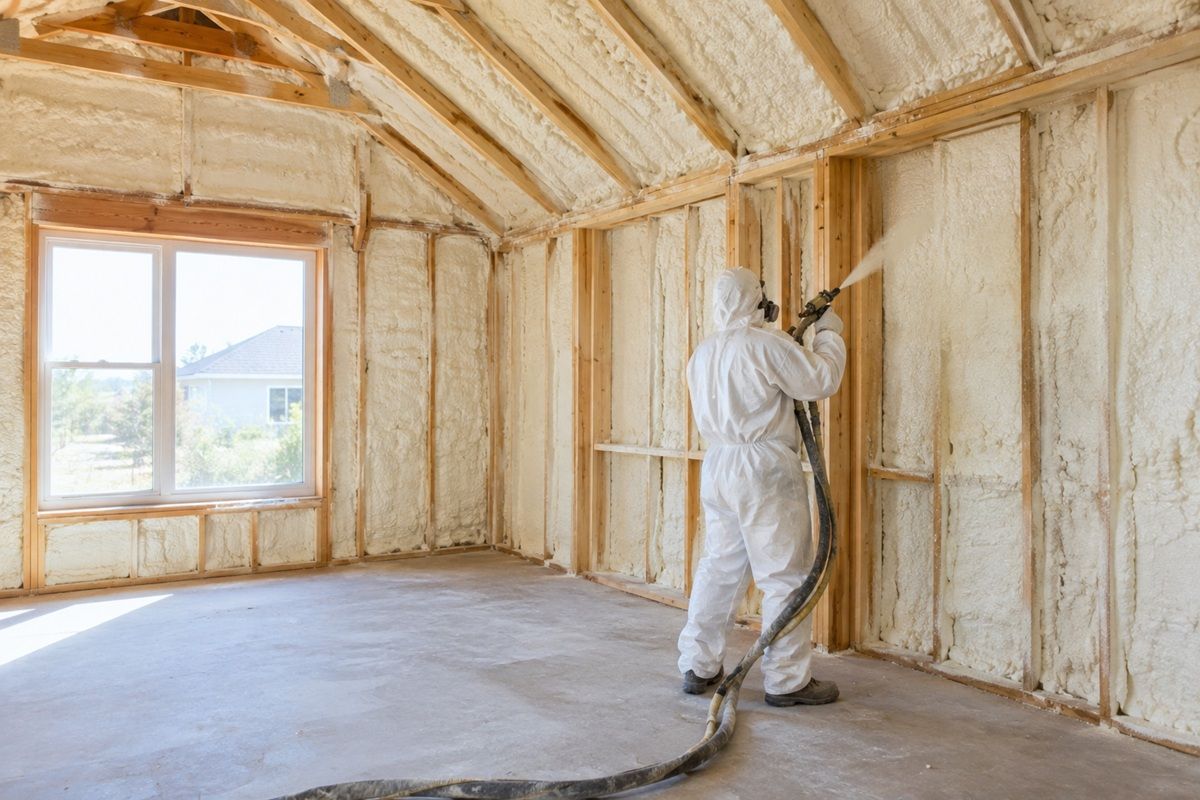
1. Attic Spray Foam Insulation for San Juan Homes
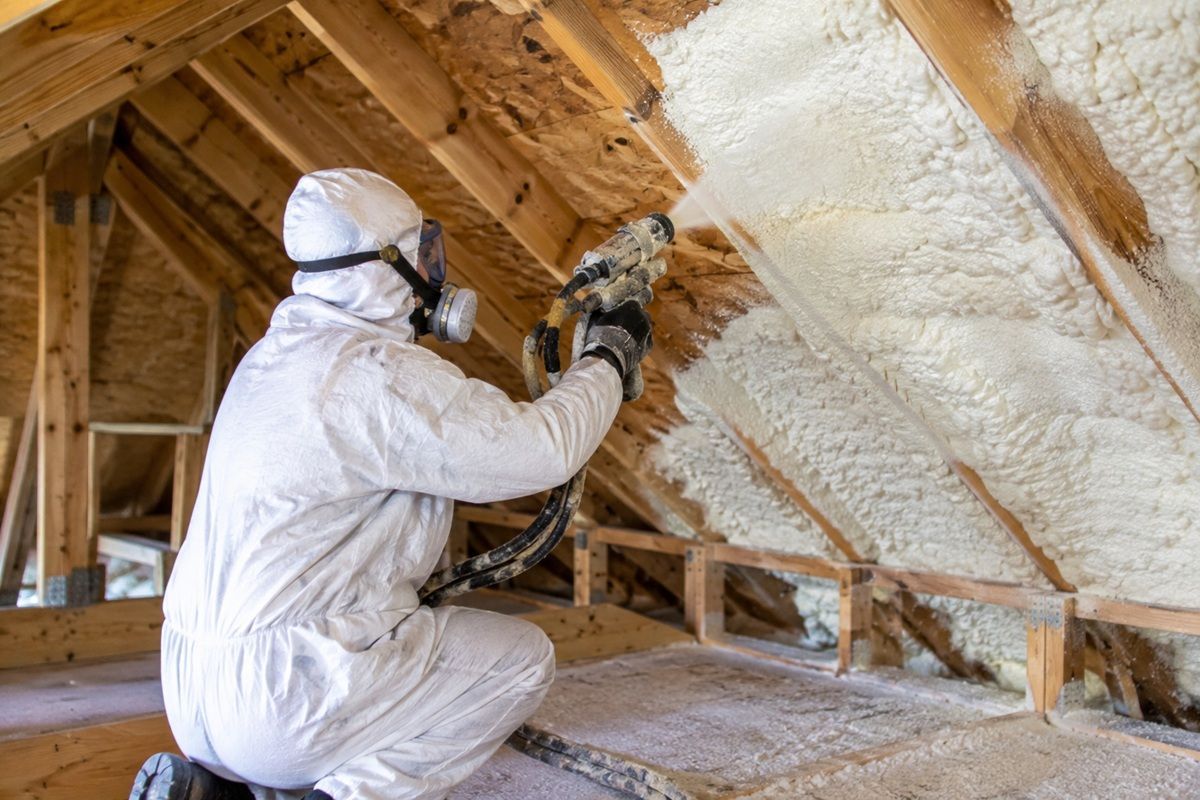
Attics are a common area to evaluate when a property has uneven indoor temperatures or significant heat transfer through the upper portion of the building. Spray foam can be applied to suitable attic surfaces or roof-deck assemblies to create a more continuous insulation and air-sealing layer.
In San Juan's warm climate, the attic can be particularly important to the overall thermal performance of a home or building. Rather than simply adding insulation, a professional assessment can identify air leakage points, existing insulation conditions, roof configuration, ventilation considerations, and other factors that influence the appropriate application.
Roof Deck Application Considerations
Roof-deck applications require attention to the existing roofing assembly, penetrations, wiring, ventilation, and surface condition. Material selection and application methods should be based on the specific structure rather than using the same approach for every attic.
2. Wall Cavity Spray Foam Insulation for Better Air Sealing
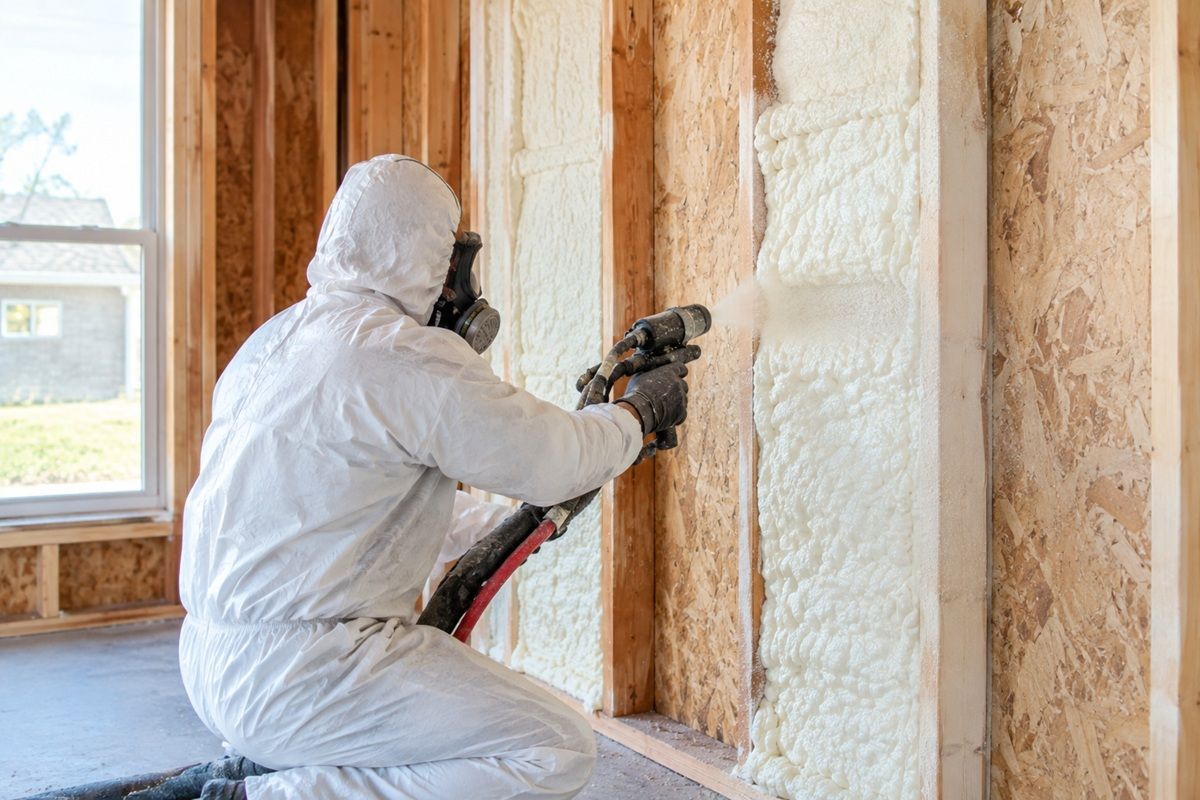
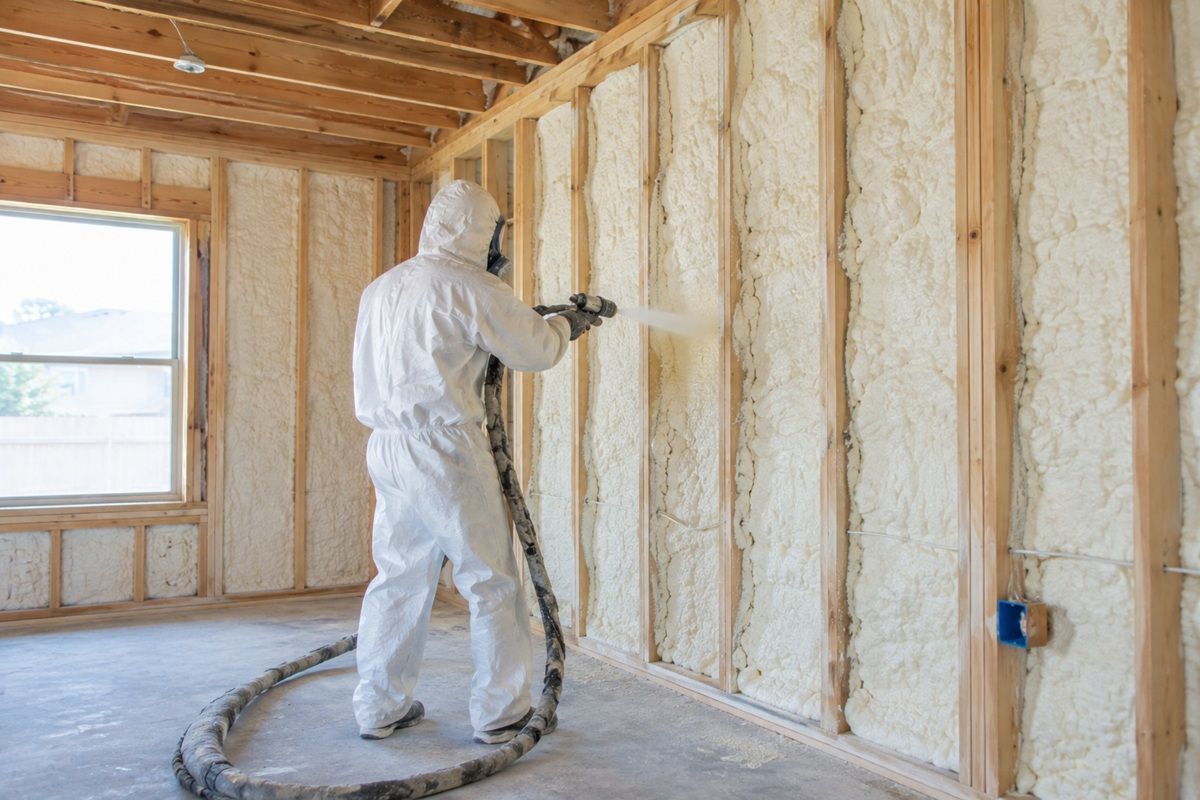
Wall cavities can contain gaps, incomplete insulation, compressed materials, or construction details that allow unwanted air movement. Spray foam may be appropriate for suitable wall assemblies where insulation and air sealing are both part of the project objectives.
San Juan includes established residential properties as well as newer construction, so wall assemblies and insulation conditions can vary from one property to another. Renovation projects may also involve existing finishes, wiring, and insulation that need to be considered before installation.
A proper assessment helps determine whether spray foam is appropriate for the wall assembly and which material, preparation method, and installation approach best fit the property.
Existing Walls and Renovation Work
Older or remodeled walls may require additional preparation because accessibility, existing insulation, electrical components, finishes, and previous modifications can affect the installation process.
3. Crawl Space and Hard-to-Reach Area Insulation
Crawl spaces and other difficult-to-access areas can present insulation challenges because of limited working room, irregular surfaces, penetrations, and existing building materials. Spray foam may be suitable for certain applications where improving the insulation and air boundary is appropriate.
For properties in San Juan, the condition of the space should be evaluated before installation. Existing insulation, surface condition, moisture concerns, accessibility, and the surrounding building assembly can all influence the recommended approach.
Moisture and Surface Conditions
Spray foam should be installed on appropriate, properly prepared surfaces. If an area has an existing moisture problem, damaged materials, or unsuitable substrate conditions, those issues should be evaluated before insulation is applied.
What Affects Spray Foam Insulation Cost in San Juan?
Spray foam insulation cost depends on factors such as the size of the application area, foam type, required thickness, accessibility, surface condition, preparation needs, and the type of property or building assembly. An accessible attic may have different installation requirements than enclosed wall cavities or a confined crawl space.
Existing insulation or materials that require preparation can also affect the project scope. Because San Juan properties vary in construction and condition, an on-site evaluation can provide a more accurate assessment of the work and the associated cost.
Nearby Service Areas Around San Juan:
Palmhurst
Palmhurst is a nearby Rio Grande Valley community west of San Juan with residential properties that can vary in age, construction, and insulation condition. These differences make property-specific evaluation important when determining whether attic, wall, crawl-space, or other spray foam applications are appropriate.
Palmview
Palmview is another nearby community within the local service area. Residential and other properties in the area may have different roof assemblies, wall configurations, and insulation conditions, so the appropriate spray foam application depends on the building rather than location alone.
Why Choose Mission Spray Foam Insulation?
Mission Spray Foam Insulation approaches insulation projects by evaluating the existing property conditions before recommending an application. Factors such as accessibility, surface preparation, existing insulation, moisture conditions, building assembly, and the intended insulation boundary can all influence the work.
Professional equipment, appropriate material selection, controlled installation methods, and careful preparation help keep the application suited to the specific property. For San Juan homes and commercial buildings, this property-focused approach is important because attic, wall, crawl-space, and other insulation needs can vary significantly between structures.
FAQs
Frequently Asked Questions About Spray Foam Insulation in San Juan

Have More Questions About Spray Foam Insulation?
Get clear answers about spray foam insulation, installation, costs, and what to expect for your property.
Is spray foam insulation useful for San Juan's hot climate?
It can be useful when the building assembly and application are appropriate. San Juan's hot South Texas conditions make insulation and air sealing important considerations for attics, walls, and other parts of the building envelope.
Should a San Juan attic be insulated at the roof deck or attic floor?
There is no single solution for every property. The appropriate location depends on the roof design, HVAC configuration, existing insulation, ventilation, and the intended thermal boundary. A property assessment can help determine which approach is suitable.
Can spray foam be installed in an older San Juan home?
Potentially. Older properties may have existing insulation, wiring, finishes, roof assemblies, or previous modifications that affect installation. These conditions should be evaluated before selecting an application method.
Is spray foam appropriate for newer homes in San Juan?
It can be appropriate for certain new construction applications, but the decision depends on the wall and roof assemblies, building design, insulation requirements, and project objectives. New construction should be evaluated according to its specific assembly rather than assuming one insulation method fits every home.
How can humidity affect insulation considerations in San Juan?
Warm and humid conditions can make moisture and air movement important considerations when evaluating a building envelope. Existing moisture issues should be identified and addressed appropriately before spray foam is installed on affected surfaces.