
Metal Building Insulation Services in Mission, TX
Professional metal building insulation helps property owners in Mission, TX manage heat transfer, condensation, and energy use in steel structures. The right insulation can improve temperature stability, reduce uncontrolled air movement, and help protect roof and wall assemblies from moisture-related problems. Our trained technicians assess the building, existing materials, access conditions, and intended use before selecting appropriate metal building insulation products based on applicable code requirements and energy efficiency goals.
Get a free quote
Services Available
Professional Metal Building Insulation in Mission, TX
Metal buildings can experience significant heat transfer and condensation because steel framing, metal framing, and panels respond quickly to outdoor temperature changes. Proper thermal insulation helps create a more effective thermal barrier while improving the building's R-value and reducing the impact of Mission's hot, humid climate on interior conditions.
Professional insulation services begin with evaluating the structure rather than applying the same material to every building. Commercial, industrial, agricultural, and storage structures may require different metal building insulation types based on occupancy, ventilation, roof and wall assemblies, and existing conditions. Experienced technicians use professional-grade equipment and industry-standard installation practices to develop an approach suited to the building and its intended use, including new construction and retrofit applications.
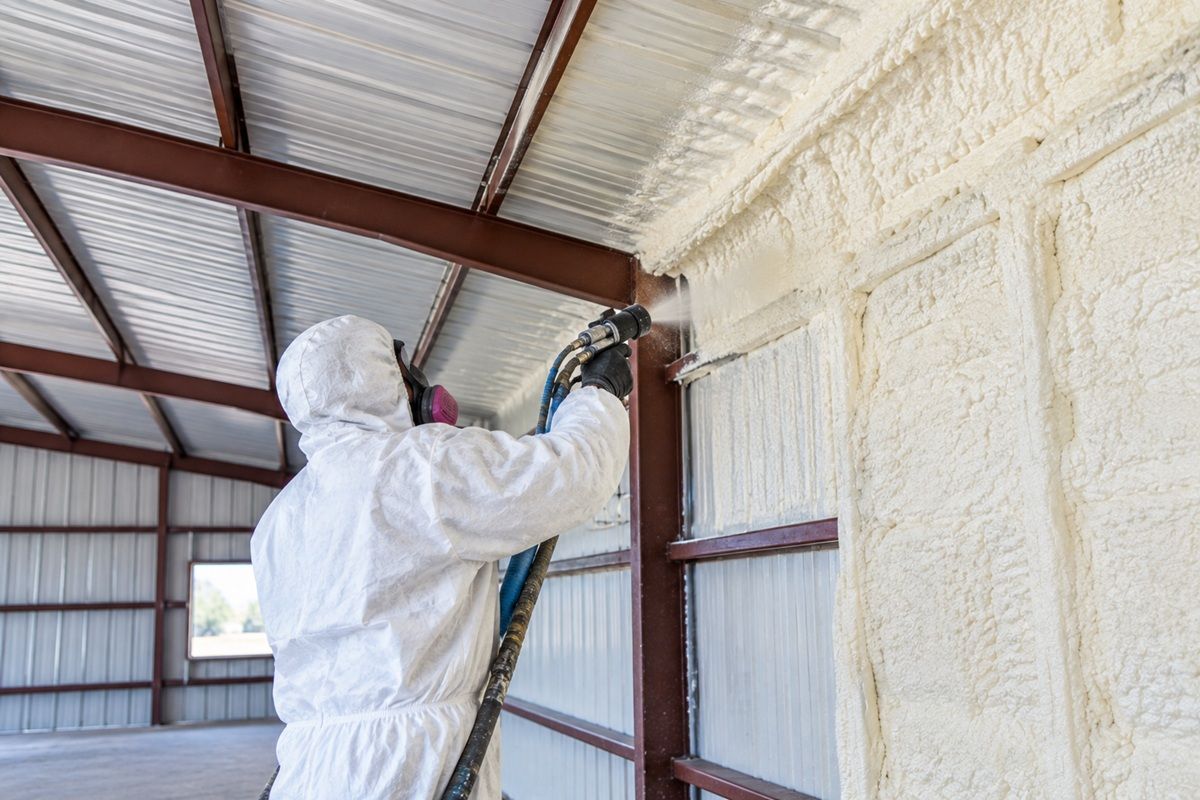
Stop Energy Loss
Metal Building Insulation Problems We Address
Steel buildings can transfer outdoor heat rapidly, making inadequate insulation a common contributor to uncomfortable interior temperatures and increased HVAC demand. In Mission, where high summer temperatures and humidity can place additional stress on heating and cooling systems, properly selected materials can improve heat flow control, energy efficiency, and overall temperature regulation.
Condensation is another important consideration. When warm, humid air contacts cooler metal surfaces, water vapor can accumulate on walls, ceilings, and roof components. A professional assessment can identify areas where air leakage, insufficient coverage, or inadequate moisture control may be contributing to condensation in a metal building. Addressing those conditions can help prevent condensation and reduce the potential for corrosion, mildew, trapped moisture, and other building concerns. Depending on the assembly, a vapor retarder or vapor barrier may also be considered based on moisture exposure and material permeance.
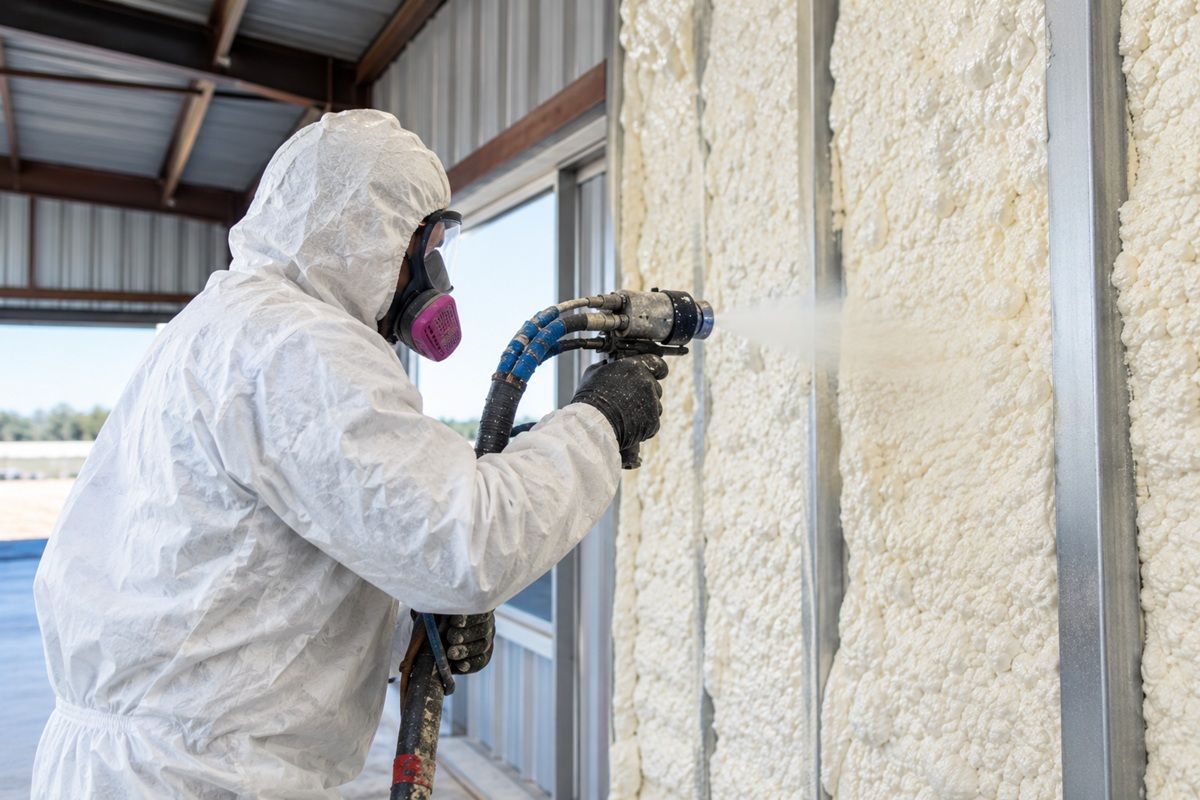
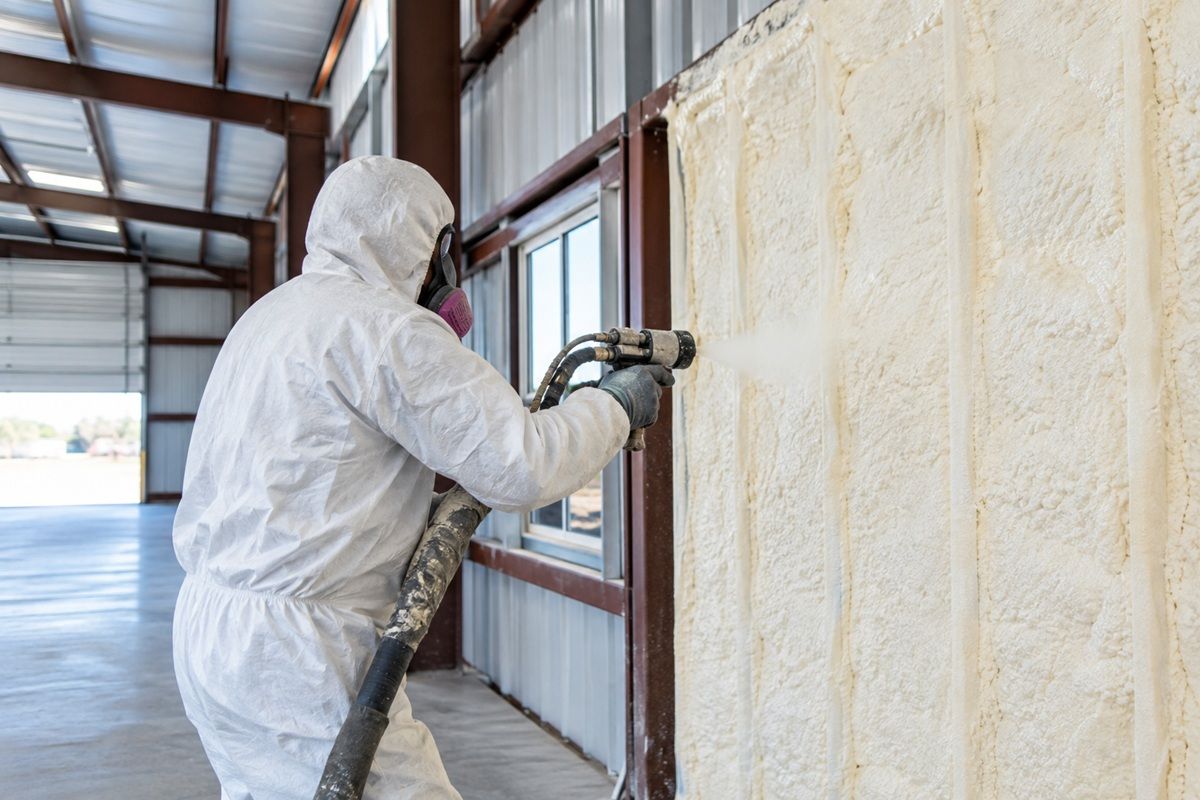
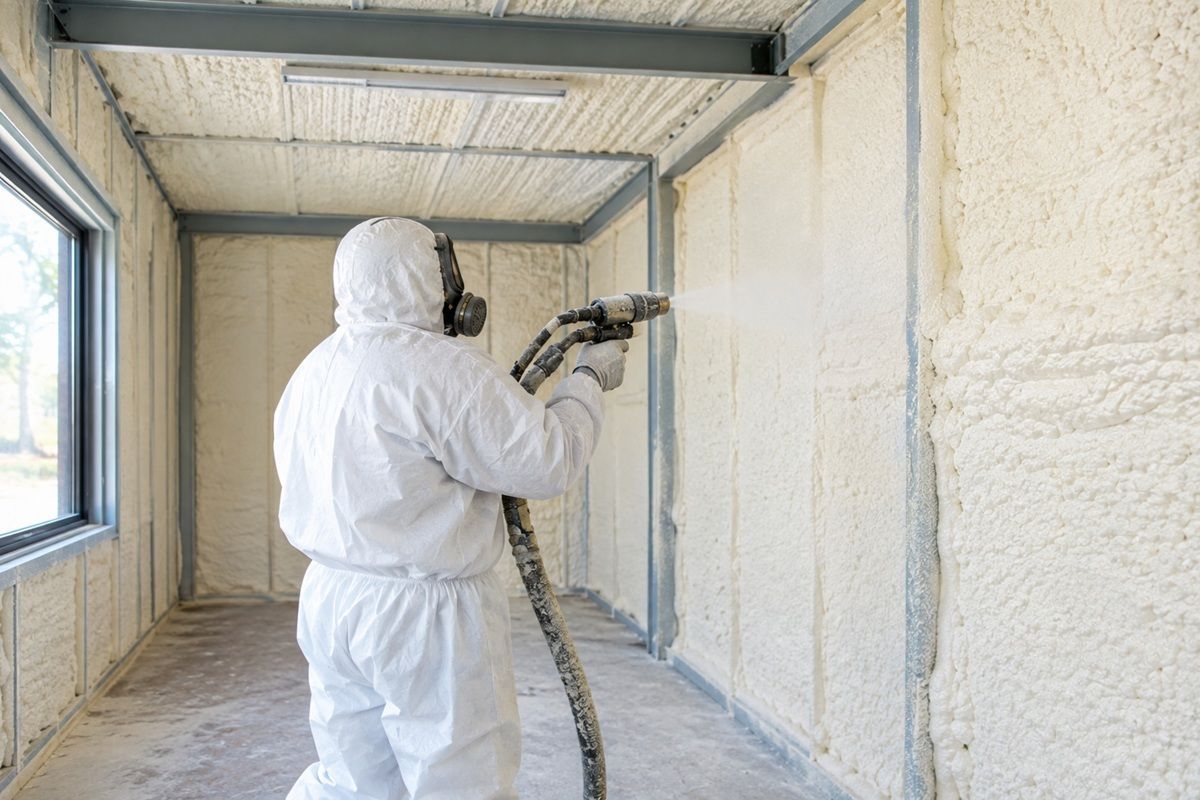
Depending on the building assembly, closed-cell or open-cell spray foam may be used where its air-sealing and moisture-resistant characteristics are appropriate. Other insulation products, such as fiberglass insulation, rigid foam board, or unfaced fiberglass batt, may be better suited to different structures or budgets. The right type of insulation depends on the building's construction, existing materials, ventilation, performance requirements, and the R-values needed for the assembly, including targets such as R-30 where applicable.
24/7
Service Available
For Inquiries:
Professional Insulation Process
Our Metal Building Insulation Installation Process
Comprehensive Building Evaluation & Project Planning
A properly planned insulation install starts with a detailed assessment of the structure, including roof panels, wall panels, existing materials, moisture conditions, purlins, access points, and intended building use. Before work begins, a written estimate can outline the recommended scope, materials, preparation requirements, and project considerations, including whether continuous insulation or another system is appropriate.
Professional Insulation System Installation
During installation, trained technicians follow manufacturer specifications and established procedures for the selected system. For spray-applied materials, this includes appropriate substrate preparation, application thickness, ventilation, and curing practices. For blanket insulation and other systems, proper placement, fastening, facing, and coverage are equally important to achieving consistent thermal resistance and an effective air barrier. Insulation thickness is selected according to the desired R-value rather than simply relying on a standard amount per inch, following the applicable insulation guide and assembly requirements.
Final Review & Project Completion
After the work is completed, the area is cleaned and the finished application is reviewed. The property owner can receive an overview of the completed work, including areas addressed and any conditions that may require additional attention. This review helps confirm that the insulation installation supports the intended thermal and moisture-control goals.
Spray Foam Cost Guide
Metal Building Insulation Cost Factors
Several factors influence the cost of insulating a metal building, so project pricing should be based on an assessment of the actual structure. Material selection, thickness, total square footage, roof and wall configuration, existing materials, surface preparation, and site accessibility can all affect the final cost. The required R-value and applicable energy code requirements can also influence material selection and overall project scope.
Fiberglass may have a lower initial material cost, while spray-applied systems generally involve higher material and installation expenses. Reflective foil, a radiant barrier, or rigid foam board may also be considered depending on the assembly and performance goals. These metal building insulation products can help address radiant heat and other thermal concerns when appropriately matched to the structure. The appropriate insulation option depends on the building, moisture conditions, thermal goals, budget, and applicable construction requirements, including whether a facing or vapor control layer is needed.
Building size and access conditions also affect labor requirements. Projects involving deteriorated materials, difficult-to-reach areas, or preparation of existing surfaces may require additional work before new insulation is installed. Whether the project involves a metal roof, walls, a garage, or both, an experienced professional can evaluate the structure and develop a scope that aligns with its performance requirements and applicable IECC or ASHRAE 90.1 requirements.
Trusted Insulation Experts
Why Choose Our Metal Building Insulation Team
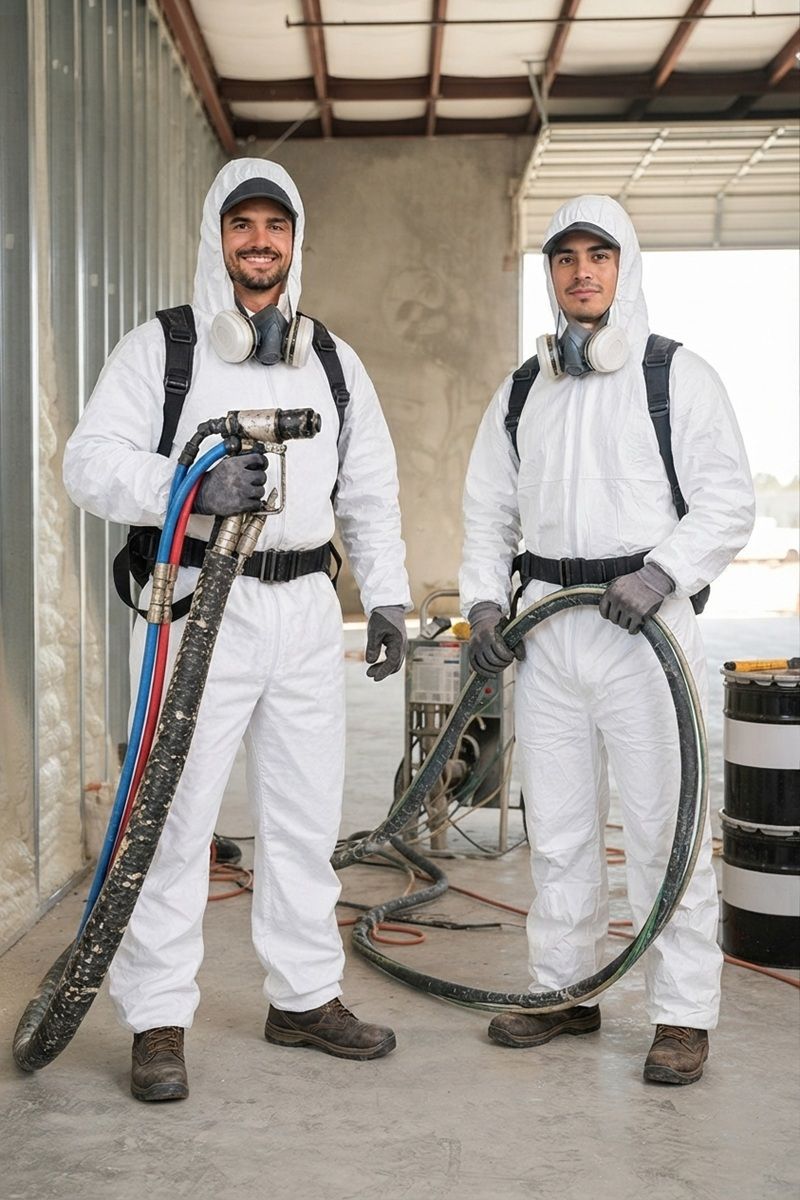
Selecting an insulation contractor involves more than comparing material prices. Proper installation requires trained technicians, suitable equipment, attention to building assemblies, and adherence to manufacturer specifications and applicable safety practices. Our local service team approaches each project with these considerations in mind, helping Mission property owners make informed decisions about insulation materials and the best insulation approach for their structure.
Technicians are trained to work with different systems and understand how application details can affect building performance. Careful preparation, accurate material placement, and attention to areas around seams, penetrations, framing, and transitions help create a more consistent thermal barrier while supporting effective air sealing. Properly selected insulation can also absorb sound, helping improve the interior environment of some metal structures.
Each project is evaluated according to the structure's design, use, existing conditions, and moisture exposure. Clear estimates and communication throughout the project help property owners understand the recommended scope before work begins. Safety-focused preparation, careful application, and job-site cleanup are also important parts of maintaining professional service standards, whether the project involves new construction or an existing building retrofit.
Trusted Insulation Experts
Recent Metal Building Insulation Projects in Mission, TX
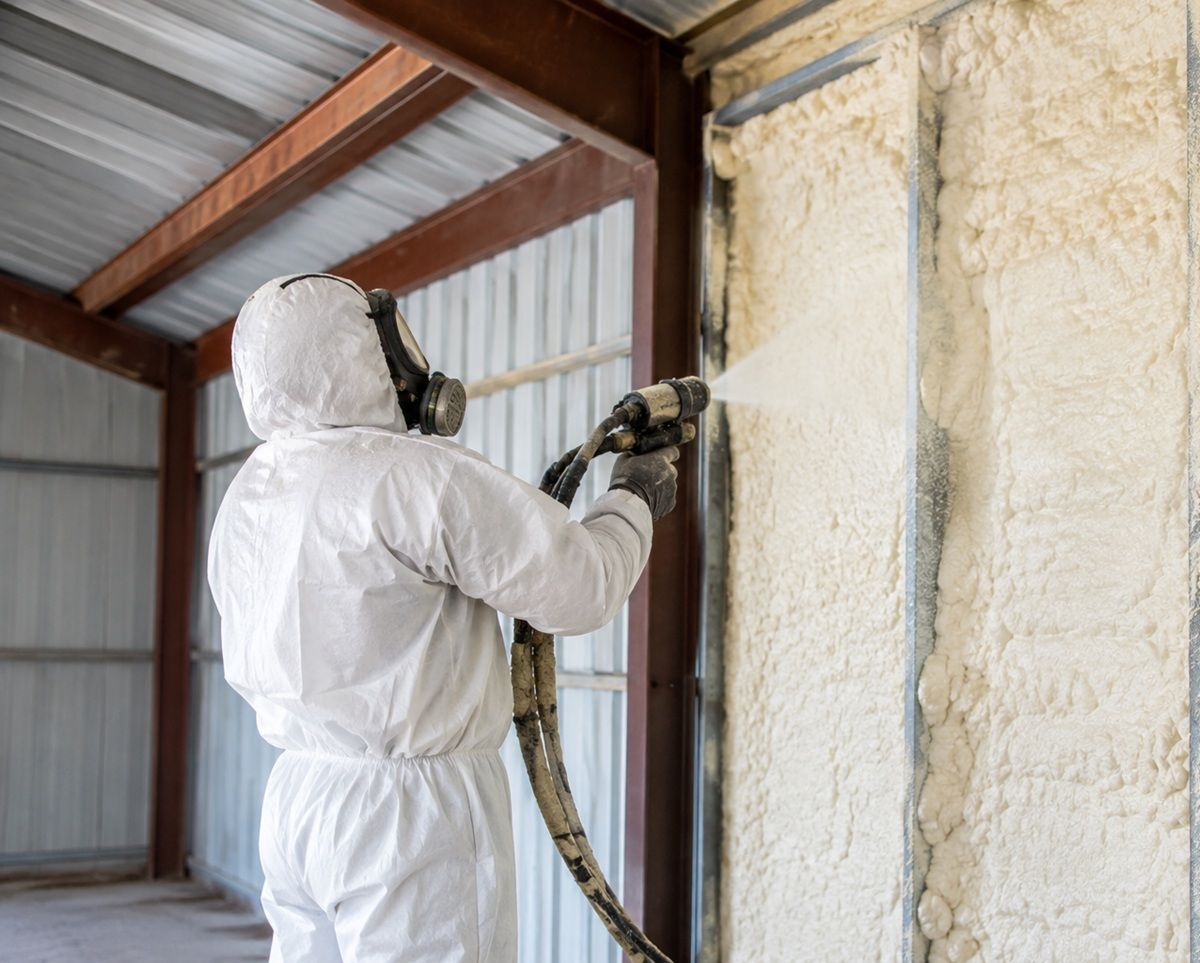
Projects can vary considerably depending on the structure and existing conditions. Work may include retrofitting older metal structures, improving coverage around roof and wall assemblies, or replacing deteriorated materials. In Mission, local projects also need to account for hot temperatures, humidity, temperature swings, and the potential for condensation on metal surfaces.
For buildings experiencing moisture concerns, insulation improvements can be combined with air-sealing measures to address areas where humid air reaches cooler surfaces. Commercial and agricultural structures may require different strategies based on their use, ventilation, storage requirements, and interior conditions. Fiberglass and inorganic glass fiber insulation products can also be considered where their performance characteristics, R-value, and installation requirements suit the building.
Every project is approached with attention to material selection, application quality, site safety, and building-specific requirements. Trained professionals use appropriate equipment and established installation methods while keeping the work area orderly and communicating project details throughout the process. This approach helps determine how much insulation is appropriate and whether additional measures are needed to meet the building's performance goals.
FAQs
Common Metal Building Insulation Questions in Mission

Have More Questions About Spray Foam Insulation?
Get clear answers about spray foam insulation, installation, costs, and what to expect for your property.
What insulation is suitable for a metal building?
Several systems can work well for metal buildings, including fiberglass, blanket insulation, and closed-cell spray foam. The right choice depends on the roof and wall assemblies, moisture exposure, ventilation, desired thermal performance, and building use. Trained technicians can assess the existing structure and recommend an insulation option based on its specific conditions rather than using the same approach for every property. For owners asking, "what insulation do I need," the answer depends on the building assembly, required R-value, and applicable code requirements.
How can metal building insulation improve indoor comfort?
Proper insulation helps limit heat transfer through metal panels and framing, which can make interior temperatures more consistent. This is particularly useful in Mission, where hot Texas summers can increase heat gain inside poorly insulated structures. Adequate coverage may also reduce HVAC workload and help address drafts, temperature differences, and condensation concerns when combined with appropriate air-sealing practices. In some applications, insulation offers additional sound-control benefits by helping absorb sound within the structure.
What factors affect the cost of metal building insulation?
Project cost depends on building size, material type, required thickness, roof and wall configuration, existing materials, surface preparation, and site accessibility. Damaged materials or difficult-to-reach areas may require additional preparation and labor. The type of insulation, its R-value per inch, and whether continuous insulation or moisture-control components are needed can also affect pricing. Because every structure is different, a professional assessment provides a more accurate project scope than relying on a standard price per square foot.
How long does metal building insulation installation take?
Installation time varies based on the building's size, layout, existing materials, access, and selected system. Smaller projects may require less time, while larger commercial or agricultural structures can take longer. Professional technicians evaluate the property beforehand to account for preparation, material application, curing requirements, ventilation, and other site conditions when establishing an expected timeline.
Is metal building insulation useful for agricultural and commercial buildings?
Yes. Insulation can be used in barns, storage buildings, warehouses, workshops, metal garages, and other agricultural or commercial structures when the selected system suits the building's construction and intended use. Factors such as ventilation, moisture exposure, occupancy, HVAC requirements, and fire-performance considerations should be evaluated before installation. A professional assessment helps determine the appropriate strategy for insulation for metal buildings.
How does Mission's climate affect metal building insulation needs?
Mission's hot temperatures and humid conditions can increase heat gain and contribute to condensation on cooler metal surfaces. Proper insulation and air sealing can help manage heat transfer and limit humid air from reaching vulnerable areas. Technicians familiar with local building conditions can evaluate moisture exposure, ventilation, and existing materials to determine what improvements are appropriate for the property, including measures that support energy efficiency and help meet applicable energy code requirements.
Mission Spray Foam
Insulation
Request a Metal Building Insulation Estimate
Property owners in Mission, TX can request an estimate for metal building insulation. Our insulation professionals assess the structure, existing materials, and moisture concerns to recommend an appropriate solution based on the building's R-value needs, assembly, and intended use.
Contact our local service team to discuss your building and receive a project-specific estimate.
Service Areas: Proudly serving Mission,
San Juan,
Palmhurst,
Palmview, and surrounding areas.